
Các doanh nghiệp hiện đại dựa vào nhiều ứng dụng khác nhau như nền tảng CRM, hệ thống ERP, công cụ tiếp thị, phần mềm phân tích và các giải pháp SaaS khác. Khi các hệ thống này hoạt động độc lập, dữ liệu trở nên phân mảnh và quy trình làm việc chậm lại.
Dịch vụ tích hợp ứng dụng đám mây giải quyết vấn đề này bằng cách kết nối các ứng dụng, tự động hóa quy trình và đồng bộ hóa dữ liệu trên nhiều hệ thống. Điều này cho phép các tổ chức cải thiện hiệu quả, giảm bớt công việc thủ công và thu được nhiều giá trị hơn từ dữ liệu của họ.
Kết quả là, các doanh nghiệp có thể cải thiện hiệu quả, có được cái nhìn rõ ràng hơn về dữ liệu của họ và tối đa hóa giá trị của các hệ thống kỹ thuật số. Trong bài viết này, chúng ta sẽ tìm hiểu cách thức hoạt động của dịch vụ tích hợp ứng dụng đám mây và tích hợp đám mây, những lợi ích chính của chúng và cách các doanh nghiệp có thể triển khai chúng một cách thành công.
Dịch vụ tích hợp ứng dụng là gì?
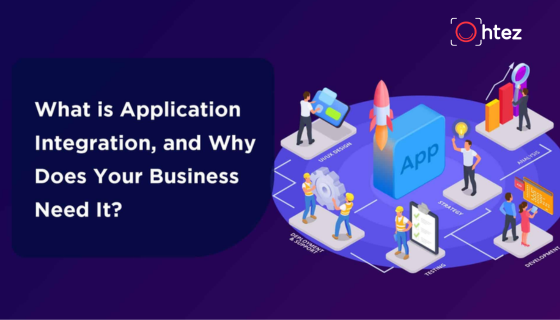
Dịch vụ tích hợp ứng dụng đám mây là các giải pháp cho phép các tổ chức kết nối các ứng dụng, hệ thống và nguồn dữ liệu trong môi trường đám mây. Thay vì hoạt động riêng lẻ, các ứng dụng có thể giao tiếp và chia sẻ thông tin trên toàn bộ hệ sinh thái kinh doanh.
Khi các công ty áp dụng nhiều nền tảng đám mây hơn, số lượng hệ thống được sử dụng giữa các bộ phận tiếp tục tăng lên. Bộ phận bán hàng, tiếp thị, tài chính và vận hành thường dựa vào các công cụ khác nhau để thực hiện nhiệm vụ của mình.
Nếu không có dịch vụ tích hợp ứng dụng đám mây, việc trao đổi dữ liệu giữa các công cụ này sẽ trở nên thủ công và kém hiệu quả.
Hệ sinh thái ứng dụng đám mây ngày càng phát triển
Các tổ chức hiện đại sử dụng rất nhiều công cụ đám mây, bao gồm hệ thống CRM, nền tảng quản lý dự án, công cụ tự động hóa tiếp thị và dịch vụ phân tích.
Khi số lượng ứng dụng tăng lên, nhu cầu kết nối chúng trở nên vô cùng quan trọng. Đây là lúc các dịch vụ tích hợp ứng dụng đám mây đóng vai trò thiết yếu.
Đối với các tổ chức triển khai các nền tảng doanh nghiệp như ERP – Giải pháp kinh doanh, việc tích hợp liền mạch với các hệ thống khác càng trở nên quan trọng hơn.
Vai trò của các dịch vụ tích hợp ứng dụng đám mây
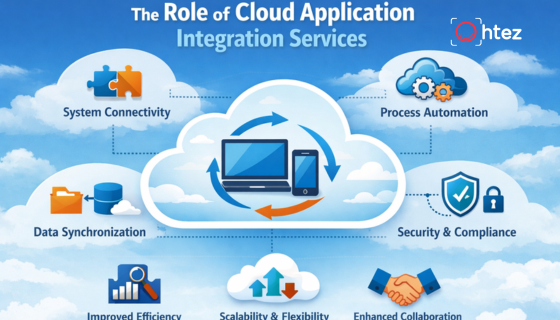
Cloud application integration services help organizations:
- Connect multiple applications and systems
- Automate business workflows
- Synchronize data across platforms
- Improve operational efficiency
By using cloud application integration services, businesses can ensure data flows smoothly between applications without manual intervention.
>> Read more: What Is Cloud Provisioning? An In-Depth Guide for Scalable Cloud Infrastructure
How Cloud Application Integration Services Connect Systems and Data
A typical cloud application integration services environment includes several technologies that help applications communicate and exchange data.
API Integration as the Foundation of Modern Application Connectivity
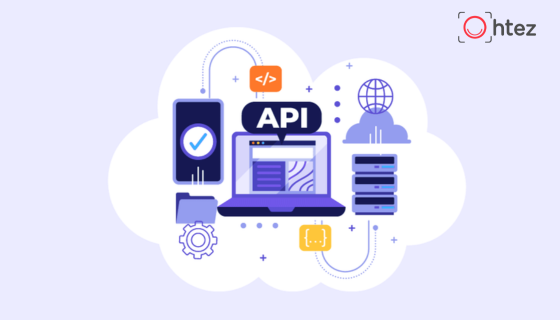
API Integration is one of the most common methods used in cloud application integration services.
APIs allow applications to communicate with each other, exchange information, and trigger automated processes.
For example:
- A CRM sends customer data to a marketing platform
- A sales system sends order data to a finance system
- An operations platform updates data for analytics dashboards
Through API Integration, applications work together within a unified workflow.
Cloud Data Integration for Unified Data Management
Cloud Data Integration is another critical component of cloud application integration services.
It enables organizations to:
- Synchronize data between systems
- Transform data formats
- Consolidate data from multiple sources
With cloud application integration services, businesses can combine data from different platforms into a centralized environment for analysis and decision-making.
How Integration Platform as a Service (iPaaS) Works
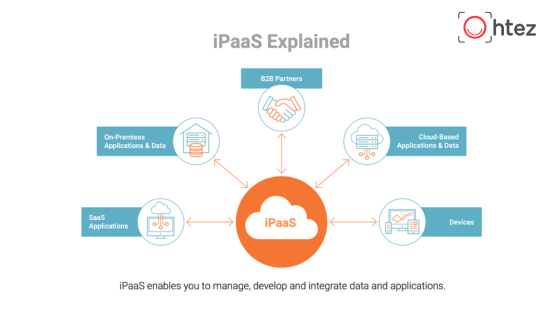
Many organizations deploy cloud application integration services using Integration Platform as a Service (iPaaS).
An iPaaS platform provides a centralized environment that allows businesses to:
- Connect multiple cloud applications
- Build integration workflows
- Manage APIs and data exchanges
By using iPaaS, companies can implement cloud application integration services faster and manage integrations more efficiently.
Key Benefits of Cloud Application Integration Services
Implementing cloud application integration services provides several advantages for organizations seeking to optimize their digital infrastructure.
Automating Business Processes
One of the main benefits of cloud application integration services is workflow automation.
Processes such as:
- Order processing
- Customer data updates
- Marketing data synchronization
can be automated through cloud application integration services, reducing manual effort and minimizing errors.
Faster Integration of New Applications
As businesses expand their technology stack, integrating new applications can become complex.
Cloud application integration services simplify this process by providing ready-to-use connectors and integration tools.
This enables organizations to deploy new applications more quickly.
Monitoring and Managing Integration Workflows
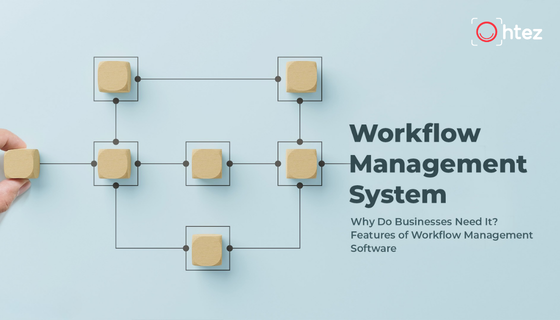
Modern cloud application integration services platforms provide tools that allow organizations to monitor and manage integration processes.
These capabilities include:
- Workflow monitoring
- Error handling
- Performance tracking
With these features, businesses can maintain reliable integration systems.
Types of Application Integration Services
Organizations use different types of cloud application integration services to connect systems, automate workflows, and ensure smooth data exchange across applications. Depending on business needs and technology environments, companies may adopt several integration approaches.
- API-based integration: This type of cloud application integration services allows applications to communicate through APIs, enabling real-time data exchange and seamless connectivity between cloud platforms.
- Data integration: These cloud application integration services focus on synchronizing and consolidating data from multiple systems, helping businesses maintain consistent and reliable information across applications.
- Application-to-application integration: This approach connects two or more systems directly, allowing cloud application integration services to automate workflows and share data without manual intervention.
- Integration Platform as a Service (iPaaS): Many organizations implement cloud application integration services through iPaaS platforms, which provide centralized tools to build, manage, and scale integrations between cloud and enterprise systems.
Essential Features of Effective Cloud Application Integration Services
To successfully deploy cloud application integration services, businesses should choose platforms that provide key capabilities for integration management.
Built-in Connectors for Popular Applications
A robust cloud application integration services platform should include prebuilt connectors for widely used applications such as:
- CRM systems
- marketing platforms
- data management tools
These connectors reduce integration time and simplify deployment.
Visual Integration Designers for Faster Workflow Creation
Many cloud application integration services platforms offer visual workflow builders that allow users to create integrations through drag-and-drop interfaces.
These tools enable teams to build integration processes without extensive coding knowledge.
Secure API Management
Security is essential when implementing cloud application integration services.
Effective platforms should support:
- API management
- authentication mechanisms
- access control policies
These capabilities help protect business data while maintaining integration efficiency.
When Businesses Should Implement Cloud Application Integration Services
While every organization’s needs are different, several situations make cloud application integration services particularly valuable. Businesses often consider implementing these solutions when they need to connect systems, improve data flow, and automate operations across multiple platforms.
- Companies using multiple SaaS platforms: Organizations that rely on various SaaS tools such as CRM systems, analytics platforms, and marketing applications can use cloud application integration services to connect these systems and ensure seamless communication between them.
- Businesses managing data across multiple systems: When important business data is stored across different platforms or databases, cloud application integration services help synchronize, consolidate, and maintain consistent data across the entire technology ecosystem.
- Organizations automating complex business workflows: Companies that need to automate processes across multiple departments often implement cloud application integration services to streamline workflows, reduce manual tasks, and improve operational efficiency.
>> Read more: What Is SaaS Software Development? Step-by-Step Guide on How to Create SaaS Software in 2025
Implement Cloud Application Integration Services with Ohtez
Deploying cloud application integration services requires strong expertise in system architecture, API connectivity, and data management. Organizations must ensure that applications communicate efficiently, data flows securely across systems, and integration frameworks can scale as the business grows.
Ohtez helps companies implement cloud application integration services through a strategic and structured approach, enabling businesses to build a connected and efficient digital ecosystem.

Ohtez provides solutions that help organizations:
- Implement cloud application integration services efficiently by designing integration frameworks that connect multiple applications, cloud platforms, and enterprise systems within a unified environment.
- Design scalable integration architectures that support growing business needs, ensuring new applications and services can be integrated without disrupting existing systems.
- Build secure and reliable API integration frameworks that allow different platforms to exchange data in real time, automate workflows, and enable seamless communication between services.
- Optimize cloud data integration strategies so that information from multiple systems can be synchronized, transformed, and unified for better operational visibility and decision-making.
- Automate complex business workflows by connecting applications such as CRM systems, analytics platforms, and operational tools through robust cloud application integration services.
- Improve system performance and reliability through continuous monitoring, error handling, and optimization of integration processes.
- Support long-term digital transformation by building flexible integration infrastructures that allow organizations to adopt new technologies without major system redesigns.
With deep expertise in cloud technologies and system integration, Ohtez enables businesses to deploy cloud application integration services that create scalable, secure, and efficient digital environments. These connected systems help organizations streamline operations, enhance collaboration between applications, and unlock the full potential of their data.
Choosing the right partner to implement cloud application integration services can make a significant difference in how effectively your systems work together. With strong expertise in cloud architecture, API connectivity, and enterprise integration, Ohtez supports businesses in designing and deploying reliable integration solutions tailored to their operational needs.
If your organization is looking to implement cloud application integration services to connect applications, streamline business processes, and unlock the full value of your data, Ohtez is ready to help.
- Website: https://ohtez.com/
- Email: info@ohtez.com
- Hotline: 090 1900 626