
In today’s digital business environment, companies often rely on multiple applications, databases, cloud platforms, ERP systems, CRM tools, and legacy software. Without proper connectivity, these systems can create data silos, manual work, slow reporting, and operational inefficiencies. That is why system integration services have become essential for businesses that want to connect applications, automate workflows, and build a scalable digital ecosystem.
This article explains what system integration services are, the key types of integration, common integration approaches, core services provided by an integration partner, and the main business benefits for growing companies.
What Are System Integration Services?
System integration services connect software applications, databases, cloud platforms, business tools, and IT infrastructure into one unified system. They help data flow smoothly between platforms and reduce manual work.
With system integration services, businesses can connect critical systems, improve data accuracy, and create a more reliable digital workflow.
A well-planned integration strategy helps businesses:
- Connect applications and databases
- Synchronize data across departments
- Automate repetitive workflows
- Improve reporting accuracy
- Reduce operational errors
- Support faster decision-making
- Build a scalable technology environment
For companies that want to grow, modernize, or improve operational efficiency, system integration services are no longer optional. They are a key foundation for long-term digital success.
Key Types of Integration in System Integration Services
Different businesses need different types of integration depending on their systems, workflows, and growth goals. Below are the key types of integration commonly included in system integration services.
Enterprise Application Integration
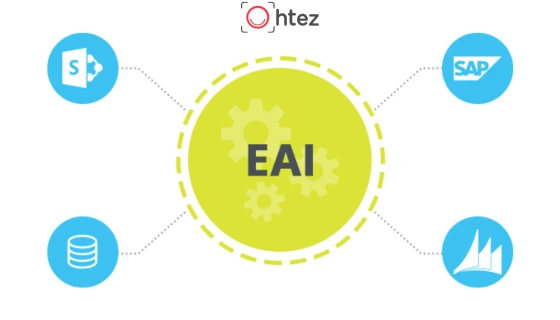
Enterprise application integration connects core business applications such as ERP, CRM, HRM, accounting software, POS systems, and e-commerce platforms. It helps different departments work from the same data instead of managing separate information in disconnected tools.
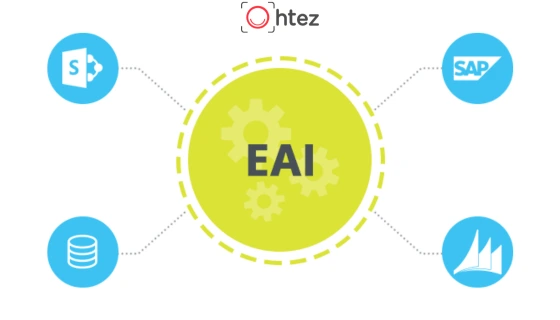
As part of system integration services, enterprise application integration reduces manual data entry, improves workflow consistency, and gives businesses a unified view of operations across sales, finance, warehouse, and customer service teams.
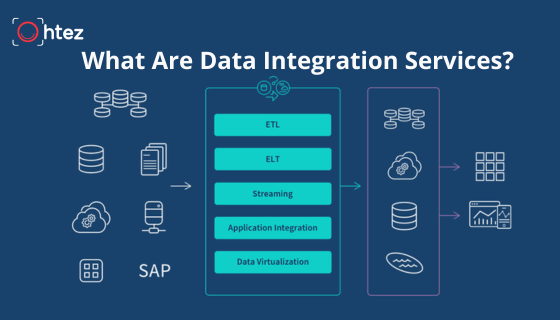
Data Integration
Data integration focuses on collecting, cleaning, transforming, and synchronizing data from multiple sources. This is important for businesses that need accurate reports, reliable analytics, and better visibility into performance.
Through system integration services, data from ERP, CRM, websites, mobile apps, databases, and third-party tools can be combined into one consistent structure. This helps business leaders make faster and more informed decisions.
Cloud Integration
Cloud integration connects on-premise systems with cloud platforms, SaaS tools, cloud databases, and cloud infrastructure. It helps businesses improve flexibility, scalability, and access to data across different teams or locations.
In modern system integration services, cloud integration supports faster deployment of digital tools and makes it easier for companies to scale their technology environment as business needs grow.
Legacy System Integration
Legacy system integration connects older systems with modern technologies through APIs, middleware, data migration, or custom integration layers. This allows businesses to keep using important existing systems while improving their digital capabilities.
This type of system integration services is useful for companies that want to modernize operations without replacing their entire technology environment at once. It helps reduce risk, protect existing data, and support gradual digital transformation.
API Integration
API integration allows different applications to communicate and exchange data in a structured way. It helps businesses connect internal systems with payment gateways, shipping providers, marketing tools, analytics platforms, and other third-party services.
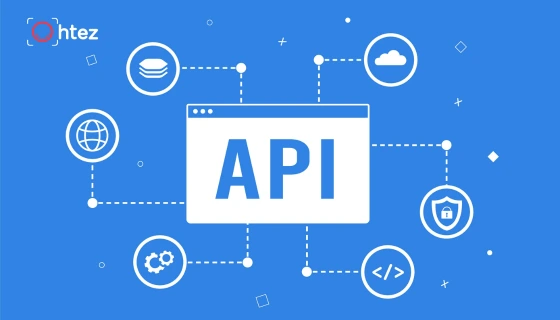
API integration is a key part of modern system integration services because it is flexible, scalable, and easier to maintain. It also makes it simpler for businesses to add new platforms or digital tools in the future.
E-Commerce Integration
E-commerce integration connects online stores, marketplaces, payment gateways, inventory systems, CRM, ERP, and delivery platforms. It helps synchronize orders, payments, inventory, customer data, and shipping updates.
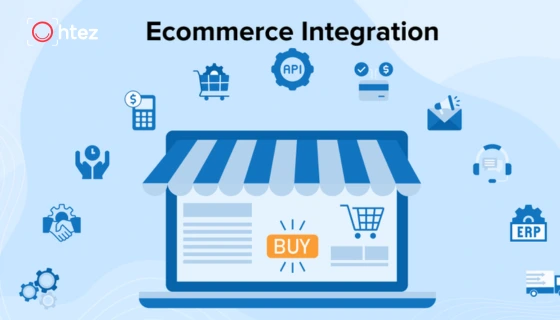
With system integration services, e-commerce businesses can automate sales operations, reduce order processing errors, and create a smoother workflow from order placement to fulfillment.
Common Integration Approaches in System Integration Services
Choosing the right integration approach is important because every business has different systems, budgets, and technical requirements. Below are the most common approaches used in system integration services.
Point-to-Point Integration
Point-to-point integration connects two systems directly. This approach is often used when a business only needs to connect a small number of applications or manage a simple integration requirement.
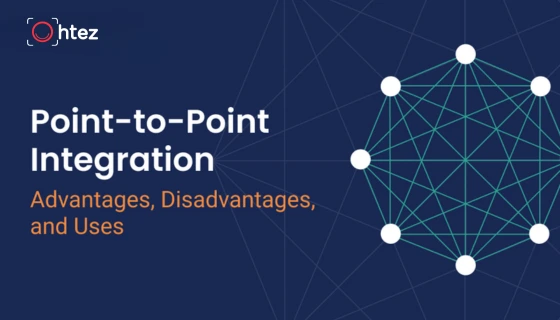
As part of system integration services, point-to-point integration can be fast and cost-effective for smaller projects. However, when the number of systems grows, it may become harder to manage because each new connection requires additional development and maintenance.
Middleware-Based Integration
Middleware-based integration uses a middle layer that allows different systems to communicate with each other. Instead of connecting every system directly, applications send and receive data through the middleware.
This approach is useful for businesses that use multiple tools and need centralized data flow management. In system integration services, middleware-based integration helps reduce dependency between applications, simplify communication, and make long-term maintenance easier.
API-Led Integration
API-led integration uses APIs as the main method for connecting systems. This approach is common in modern digital architecture because it supports flexibility, scalability, and faster system expansion.
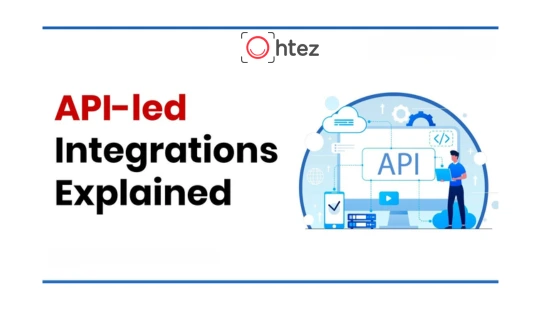
For businesses that need to connect web applications, mobile apps, ERP, CRM, cloud services, and third-party tools, API-led integration is one of the most practical approaches in system integration services. It also allows companies to create reusable APIs for future digital initiatives.
Cloud-Based Integration
Cloud-based integration connects cloud applications, SaaS platforms, cloud databases, and on-premise systems. This approach is ideal for businesses that already use cloud tools or plan to move more operations to the cloud.
In modern system integration services, cloud-based integration supports faster deployment, easier scaling, and better accessibility. It also helps companies connect teams, departments, and branches across different locations.
Phased Integration Approach
A phased integration approach means implementing integration step by step instead of connecting everything at once. This is often a safer option for businesses with complex systems or limited internal technical resources.

With this approach, companies can start with the most important systems first, test each stage carefully, and reduce disruption to daily operations. For many businesses, phased implementation makes system integration services more manageable, flexible, and less risky.
Core Services Provided in System Integration Services
A professional integration partner provides several core services to support the full integration process. In most system integration services projects, these services help businesses connect systems, improve data flow, and reduce operational complexity.
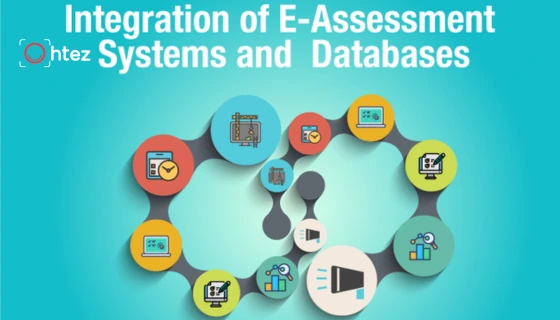
System Assessment and Integration Planning
Every successful project starts with a clear assessment of the current technology environment. This helps ensure that system integration services are aligned with real business needs.
Key activities include:
- Reviewing existing software, workflows, data flows, and infrastructure
- Identifying system gaps and technical limitations
- Finding data issues and workflow bottlenecks
- Creating an integration roadmap with priorities, risks, and expected outcomes
Custom API and Software Development
Many businesses need custom APIs, dashboards, middleware, or software components to connect their systems properly. This is a key part of system integration services because every company has different platforms and workflows.
Key activities include:
- Building custom APIs for system communication
- Developing dashboards or internal tools
- Creating middleware or integration layers
- Connecting ERP, CRM, e-commerce, and third-party platforms
Data Migration and Synchronization
Data migration and synchronization help businesses move data safely and keep information consistent across connected systems.
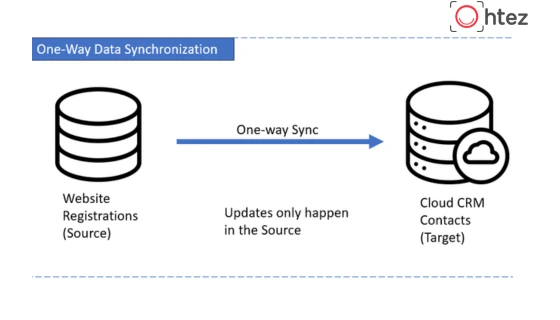
Key activities include:
- Transferring data from old systems to new platforms
- Cleaning and standardizing data
- Mapping data between different systems
- Synchronizing information in real time or on schedule
- Reducing data loss, duplication, and reporting errors
>> Read more: Cloud Application Integration Services For Developers
ERP, CRM and E-Commerce Integration
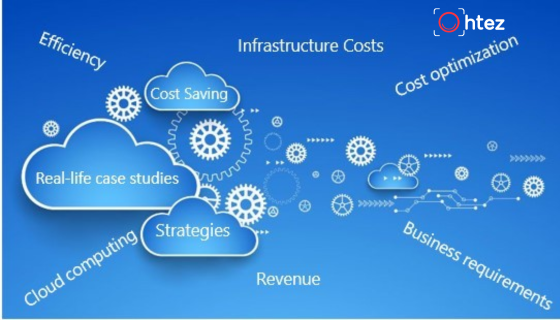
ERP, CRM, and e-commerce systems are often central to business operations. System integration services help connect these platforms to improve sales, inventory, finance, and customer workflows.
Key activities include:
- Connecting online orders with ERP and inventory systems
- Synchronizing customer data with CRM platforms
- Updating payment, product, and order information automatically
- Reducing manual work between sales, warehouse, accounting, and support teams
Cloud Integration and Infrastructure Optimization
Cloud integration connects existing business systems with cloud platforms and improves infrastructure performance.
Key activities include:
- Connecting cloud databases, SaaS tools, and cloud ERP systems
- Linking on-premise systems with cloud environments
- Improving system performance, security, and scalability
- Supporting flexible access to business data across teams and locations
Testing, Monitoring and Maintenance
Integration does not end after implementation. Reliable system integration services include testing, monitoring, and maintenance to keep connected systems stable over time.
Key activities include:
- Testing data flows between systems
- Monitoring performance and connection errors
- Fixing issues after launch
- Updating integrations when APIs, software, or business rules change
- Ensuring long-term system stability and reliability
Build a Connected Digital Ecosystem with OHTEZ System Integration Services
If your business is running multiple disconnected systems, OHTEZ system integration services can help you design and develop solutions that connect applications, data, cloud platforms, and business workflows.
From ERP, e-commerce, web applications, and mobile apps to cloud integration and software testing, OHTEZ helps businesses build a more connected, scalable, and efficient digital ecosystem.
Whether you need to modernize legacy systems, automate internal workflows, synchronize business data, or connect critical platforms, OHTEZ can support your business with tailored technology solutions designed for long-term growth.
- Website: https://ohtez.com/
- Fanpage: https://www.facebook.com/ohtezglobal
- Hotline: 090 190 06 26