
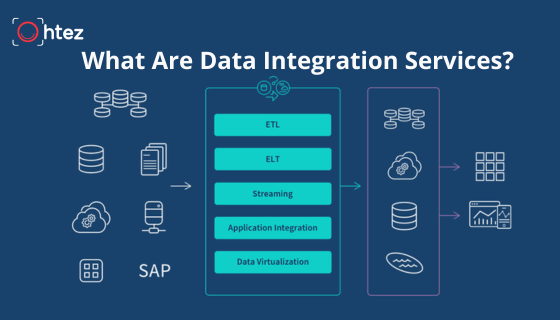
In today’s digital business environment, data is created across ERP systems, CRM platforms, e-commerce websites, mobile apps, cloud databases, spreadsheets, and internal software. However, without proper data integration services, this data can quickly become fragmented, duplicated, outdated, and difficult to manage.
With professional data integration services, businesses can connect multiple data sources, standardize information, automate data flows, and create a unified view of operations. Instead of spending hours on manual reports, companies using data integration services can access accurate data faster, make better decisions, improve efficiency, and build a stronger foundation for long-term digital growth.
What Are Data Integration Services?
Data integration services are professional solutions that connect, combine, clean, transform, and synchronize data from different systems into one consistent environment.
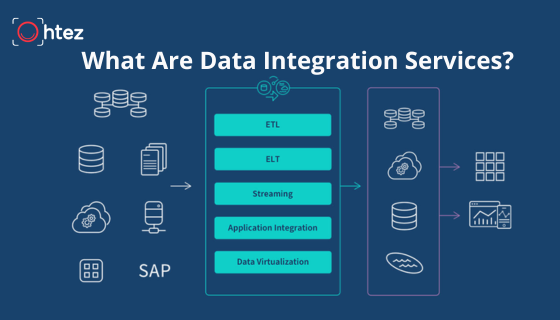
These systems may include:
- ERP software
- CRM platforms
- E-commerce systems
- Mobile applications
- Cloud databases
- Internal business software
- Data warehouses
- APIs
- Excel files or flat files
The goal of data integration services is not only to move data from one place to another. A strong integration process also ensures that data is accurate, standardized, secure, and ready to support business reporting, analytics, automation, and decision-making.
For example, a business may have customer data in its CRM, order data on its website, inventory data in ERP, and financial data in accounting software. Without proper integration, each department works with a separate version of the truth. With data integration services, all these systems can work together more smoothly.
>> Read more: SAP ERP Implementation Process: 7 Steps & Best Practices Guide
Why Businesses Need Data Integration Services
Many businesses still operate with disconnected systems. Sales teams use one platform, accounting teams use another, warehouse teams use a separate system, and managers depend on manual reports.
This creates several problems:
- Data is duplicated across departments
- Reports take too long to prepare
- Teams make decisions based on outdated information
- Manual data entry increases errors
- Business systems cannot scale efficiently
- Customer experience becomes inconsistent
By using data integration services, businesses can remove these data silos and create a more reliable data ecosystem.
When data flows automatically between systems, teams can reduce manual work, improve accuracy, and respond faster to business changes. This is especially important for companies that want to implement digital transformation, business intelligence, AI, automation, or omnichannel e-commerce.
How Data Integration Services Work
Effective data integration services usually follow a structured process. Each step helps ensure that business data is properly connected, cleaned, transformed, and delivered to the right destination.
1. Identifying Data Sources
The first step in data integration services is identifying where business data is stored, such as ERP, CRM, websites, mobile apps, cloud platforms, databases, APIs, spreadsheets, and third-party tools. Understanding these data sources clearly helps businesses choose the right integration strategy.
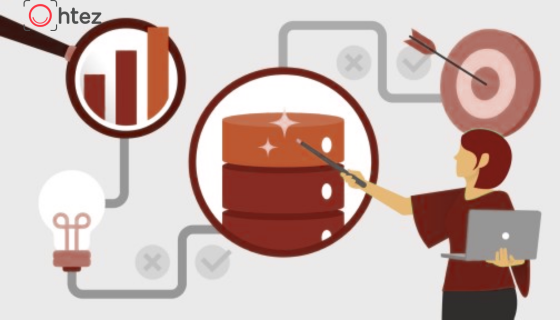
2. Extracting Data
After identifying the sources, data integration services extract data from each system through APIs, database connections, file imports, cloud connectors, or custom integration methods. This step ensures business data is collected properly before being cleaned, transformed, and synchronized.
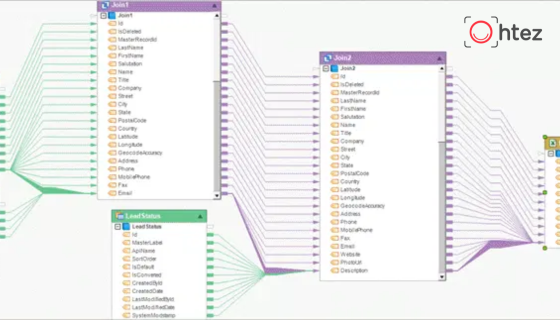
3. Mapping Data Fields
Different systems often use different field names and formats. With data integration services, data mapping ensures that information from different platforms is matched correctly, such as connecting “Customer ID” in one system with “Client Code” in another.
4. Cleaning and Standardizing Data
Before data can be used effectively, data integration services clean and standardize it by removing duplicates, correcting formatting issues, validating missing fields, and unifying values. This step is essential because poor data quality can lead to inaccurate reports and poor business decisions.
5. Transforming Data
Data integration services transform raw data into the right format for the target system. This may include applying business rules, converting formats, combining fields, or restructuring datasets so the data can be used accurately across business platforms.
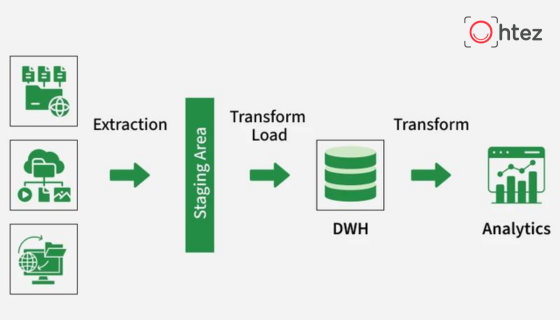
6. Loading and Synchronizing Data
Once data is cleaned and transformed, data integration services load it into the destination system, such as a data warehouse, dashboard, ERP system, CRM platform, cloud database, or analytics tool. Depending on business needs, data synchronization can happen in batches, near real-time, or real-time.
>> Read more: Top 7 Best ERP Solution for Small Business in 2026
7. Monitoring and Optimization
Good data integration services do not stop after deployment. The integration flow should be monitored continuously to detect errors, maintain performance, and adapt quickly when business systems, data sources, or technical requirements change.

ETL Data Integration for Cleaner and More Reliable Data
ETL data integration is one of the most common approaches used in enterprise data management. ETL stands for Extract, Transform, and Load.
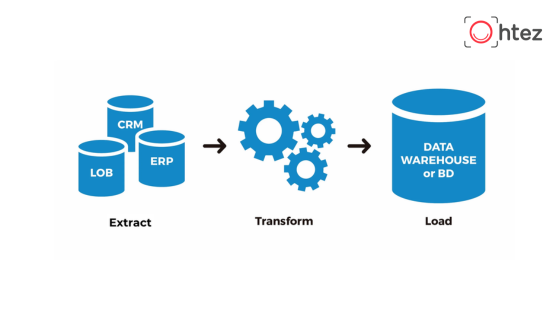
This method helps businesses move data from multiple sources into a centralized system while improving quality and consistency.
- Extract: Data integration services collect data from different sources such as ERP, CRM, websites, cloud platforms, databases, or files.
- Transform: Data integration services clean, format, validate, and convert extracted data based on business rules to remove duplicated, incomplete, or inconsistent data.
- Load: Data integration services load the transformed data into a destination system such as a data warehouse, business intelligence platform, or reporting dashboard.
For example, a retail company can use ETL data integration to combine online order data, warehouse inventory data, and customer data into one dashboard. Managers can then monitor sales, stock levels, and customer behavior more accurately.
When included as part of professional data integration services, ETL helps businesses create a stronger foundation for reporting, analytics, and automation.
Cloud Data Integration Services for Scalable Systems
As more businesses move to cloud platforms, cloud data integration services help connect cloud apps, on-premise systems, SaaS tools, databases, and internal software. With the right data integration services, data can move securely across different environments and support faster business growth.
Businesses may need cloud data integration services when using:
- Cloud ERP
- Cloud CRM
- E-commerce platforms
- SaaS applications
- Cloud databases
- Mobile apps
- Marketing automation tools
- Business intelligence platforms
The key benefit of cloud data integration services is flexibility. Businesses can scale faster, connect new tools more easily, support real-time updates, and reduce dependency on traditional infrastructure.
Key Benefits of Data Integration Services
Professional data integration services bring both technical and business benefits. They help companies improve data quality, reduce manual work, and make smarter decisions.
- Removing Data Silos Across Departments: Data integration services connect data from sales, finance, marketing, and operations into one shared source.
- Improving Report Accuracy: Data integration services help create cleaner, more reliable reports by reducing duplicated or outdated data.
- Speeding Up Business Decisions: Data integration services give leaders faster access to updated data for better decision-making.
- Reducing Manual Work: Data integration services automate data movement between systems and reduce repetitive manual tasks.
- Supporting AI, BI, and Automation: Data integration services provide the clean, connected data needed for analytics, automation, and AI tools.
Common Types of Data Integration Solutions
Different businesses need different data integration solutions depending on their systems, goals, and data volume.
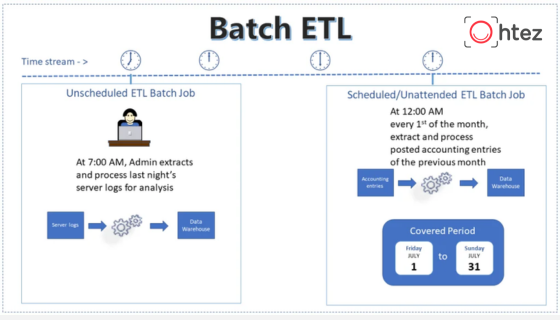
Batch Data Integration
Batch integration processes data at scheduled times, such as hourly, daily, weekly, or monthly. With data integration services, businesses can automatically collect, transform, and transfer data between systems based on a fixed schedule. This approach is suitable for reports, backups, financial summaries, inventory updates, or workflows that do not require real-time data synchronization.
Real-Time Data Integration
Real-time integration updates data immediately or nearly immediately whenever changes happen in connected systems. With data integration services, businesses can synchronize information continuously across ERP, CRM, e-commerce platforms, cloud systems, and internal software. This approach is useful for inventory tracking, order processing, financial transactions, instant alerts, customer activity monitoring, and live business dashboards.
API-Based Integration
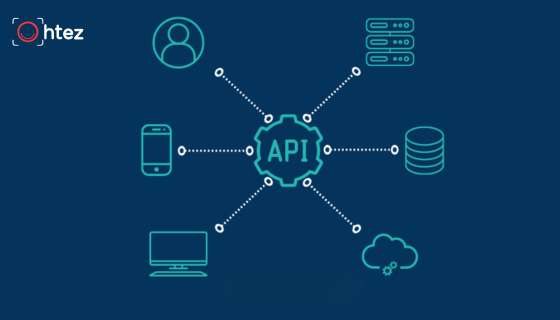
API integration connects software platforms through application programming interfaces, allowing different systems to exchange data automatically. With data integration services, businesses can link ERP, CRM, websites, mobile apps, payment gateways, logistics systems, and SaaS tools into one connected workflow. This helps reduce manual data entry, improve system communication, and keep business information updated across platforms.
ETL and ELT Integration
ETL and ELT are common methods for moving, transforming, and preparing business data for analytics. With data integration services, companies can extract data from multiple sources, clean and organize it, then load it into data warehouses, business intelligence platforms, or reporting systems. These approaches are especially useful for enterprise reporting, performance tracking, and data-driven decision-making.
Cloud Integration
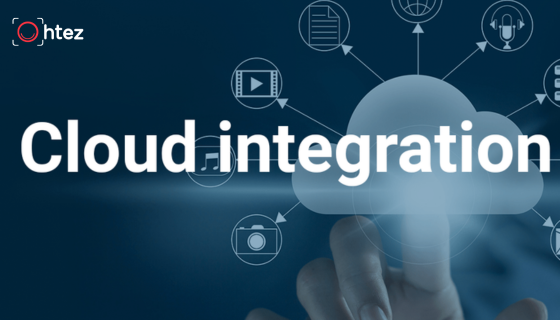
Cloud integration connects data across cloud platforms, internal systems, and third-party applications. With data integration services, businesses can synchronize information between SaaS tools, cloud databases, mobile apps, ERP systems, and other digital platforms. This is ideal for companies that rely on modern cloud infrastructure and need flexible, scalable, and secure data connectivity.
Choosing the right data integration solutions depends on business size, technical requirements, data complexity, security needs, and future scalability.
OHTEZ Data Integration Services for Connected, Scalable Business Systems
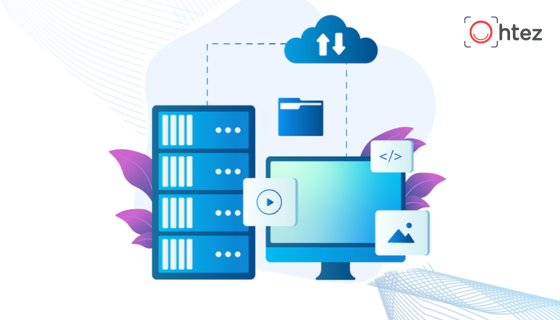
OHTEZ provides data integration services that help businesses connect scattered data across multiple platforms and build a stronger digital foundation.
- Connect business-critical systems: ERP systems, CRM platforms, business management software, websites, mobile applications, e-commerce platforms, cloud systems, internal databases, third-party APIs, and custom software.
- Deliver tailored data integration solutions: OHTEZ designs integration strategies based on each company’s workflow, technical environment, data structure, and long-term business goals.
- Support multiple integration models: Depending on business needs, OHTEZ can implement API integration, ETL data integration, real-time synchronization, batch processing, and cloud data integration services.
- Ensure accurate and secure data flow: The team handles data mapping, connector development, transformation rules, testing, deployment, monitoring, and optimization.
- Reduce manual work and improve efficiency: Professional data integration services help businesses minimize repetitive data entry, improve reporting accuracy, automate workflows, and make faster decisions.
- Build scalable systems for future growth: OHTEZ helps companies create connected systems that can adapt as data volume, business needs, and technology requirements increase.
With OHTEZ, businesses can turn scattered data into a connected business advantage through reliable data integration services, custom data integration solutions, ETL data integration, and cloud data integration services.